Daily glass furnace campaign life is not decided by one material name alone. It is affected by furnace design, operating temperature, flame direction, glass chemistry, electric boosting, bubbling, construction quality, maintenance practice and, very importantly, refractory material quality. For buyers, this means a low unit price is not enough. The right supplier should understand where the furnace usually fails and how to match refractory products to each risk area.
Key Takeaways for Buyers
- Furnace life is often limited by weak areas such as the regenerator, burner port, melting end, throat, working end and forehearth.
- Different furnace types and operating conditions require different refractory combinations.
- Glass-contact areas need special attention to corrosion resistance, glass phase exudation, joint control and dimensional accuracy.
- Critical blocks should be inspected, graded and matched to the most demanding furnace positions.
- A reliable supplier should provide chemical analysis, physical testing, corrosion testing, internal inspection, machining control and pre-assembly support.
1. Furnace Campaign Life Depends on Critical Positions
In a daily glass furnace, common risk areas include the regenerator chamber, checker bricks, burner port, melting end, sidewall, bottom, throat, working end, forehearth and feeder channel. These areas face different combinations of thermal load, chemical attack, mechanical stress, flame erosion and molten glass flow.
When a refractory problem appears in one of these positions, the result may be more serious than local wear. It can lead to glass leakage, stone defects, color contamination, excessive maintenance, production interruption or even early furnace shutdown. Therefore, refractory selection should start from the actual service position, not from a general material list.
2. Regenerator and Checker Areas Need Material Matching, Not One-Solution Thinking
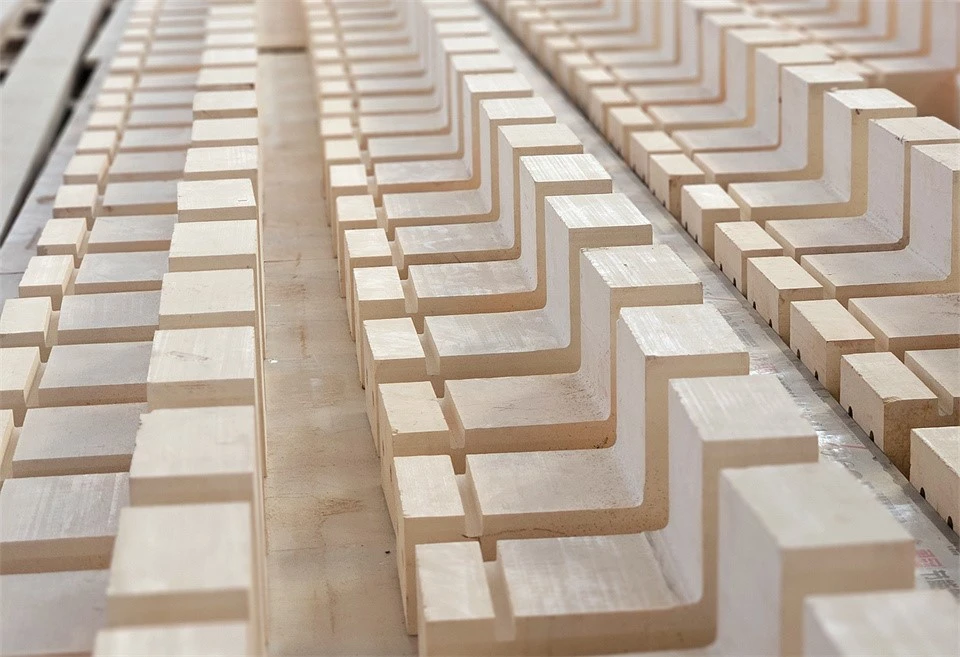
Regenerator areas are exposed to repeated heating and cooling, dust, alkali vapor, sulfate reaction and structural load. Upper wall areas, crown areas and checker bricks can face burning loss, cracking, blockage, deformation or local collapse if the material combination is not suitable.
For these areas, the key is not simply choosing the highest-grade brick. The material arrangement should consider compressive strength, thermal shock resistance, sulfate reaction risk, high-temperature creep and long-term stability under reversing operation. A practical design may use different refractory types in the lower, middle, upper and top zones according to their actual duty.
Buyer focus: Ask the supplier whether it can recommend materials according to temperature zone, chemical atmosphere and structural load, rather than offering a single product for all regenerator positions.
3. Melting End Sidewalls, Bottoms and Glass-Contact Blocks Require Strict Quality Control
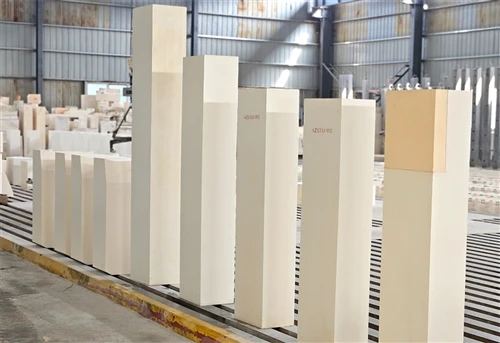
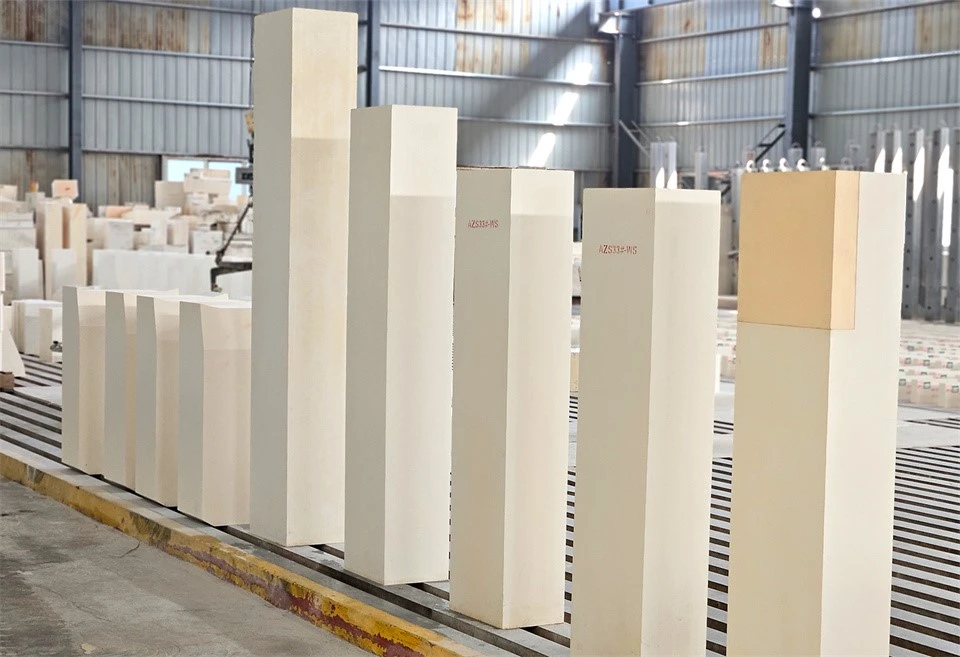
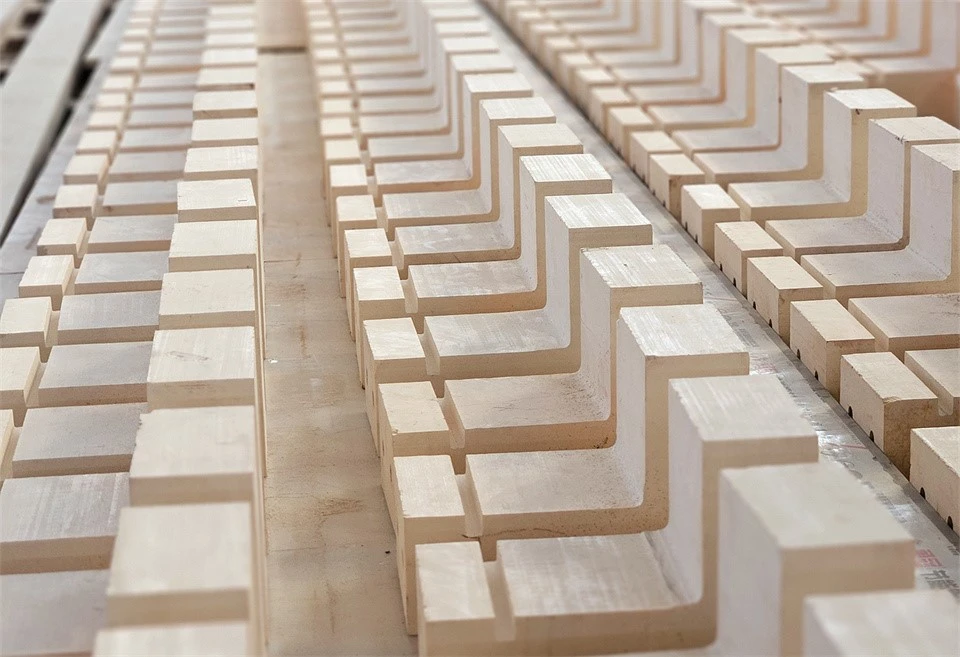
The melting end is one of the most important areas for furnace life. Sidewalls and bottoms are in direct contact with molten glass and may face corrosion, joint attack, glass leakage and product defects. In these positions, fused cast AZS blocks are widely used because of their corrosion resistance and compatibility with many glass furnace applications.
However, the performance of fused cast AZS is not only about chemical composition. Internal casting quality, shrinkage void position, glass phase exudation behavior, machining precision and installation joint control all matter. Large joints, poor assembly precision or unstable internal quality can increase the risk of local corrosion and glass leakage.
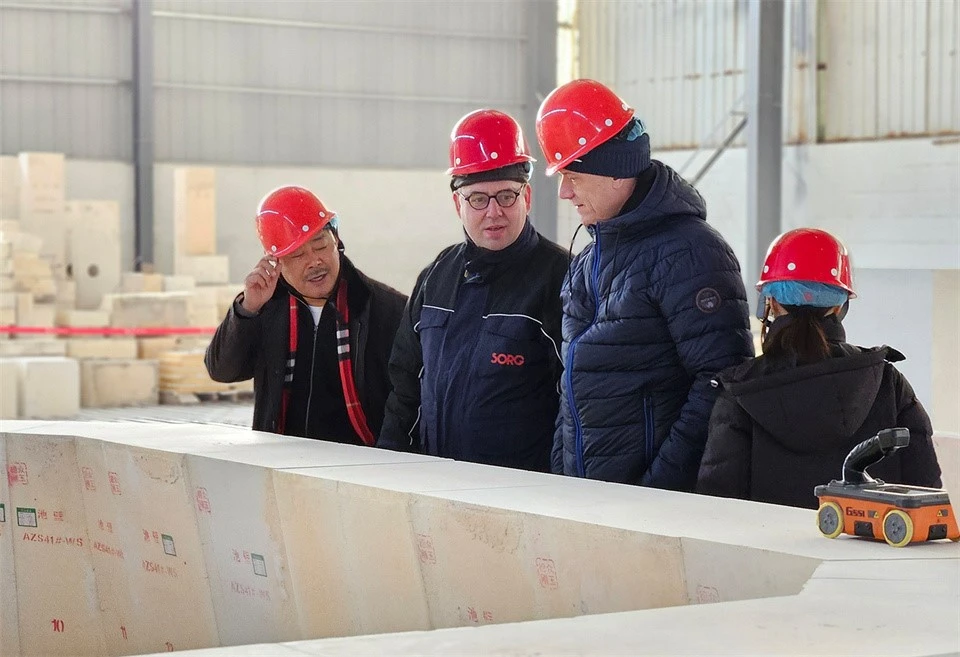
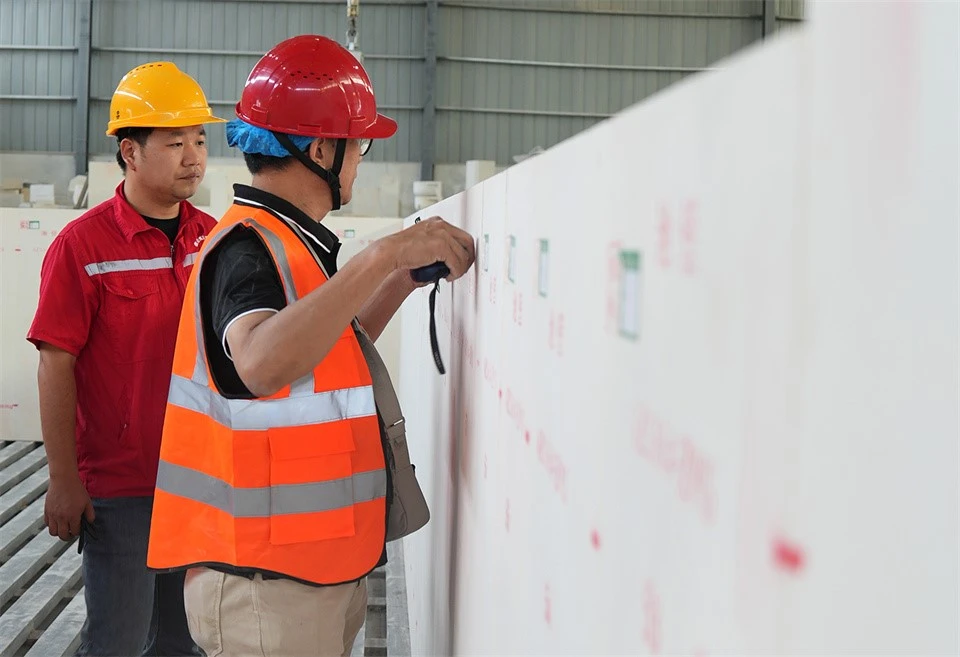
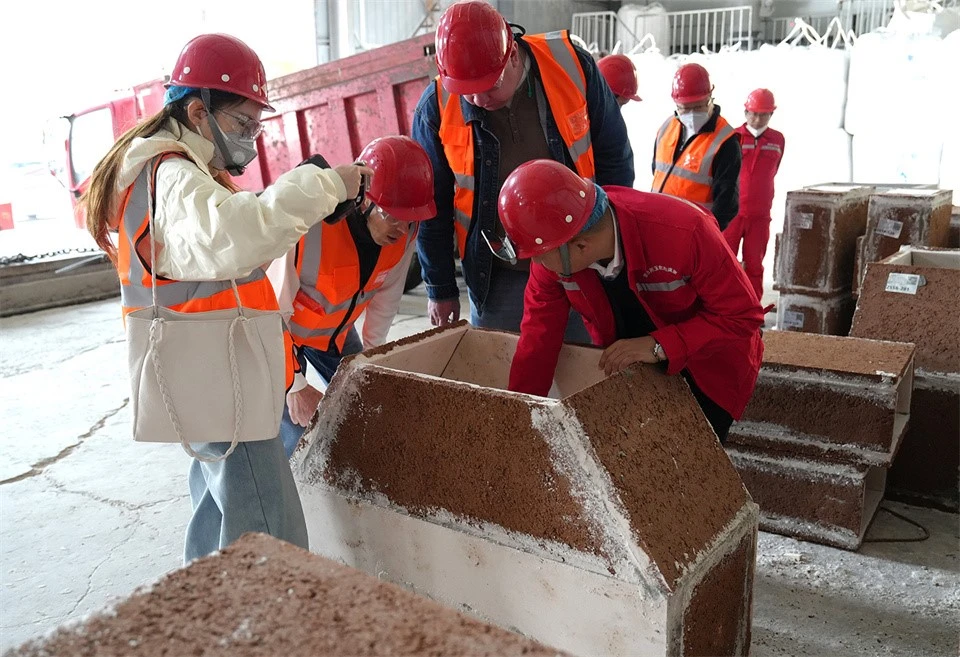
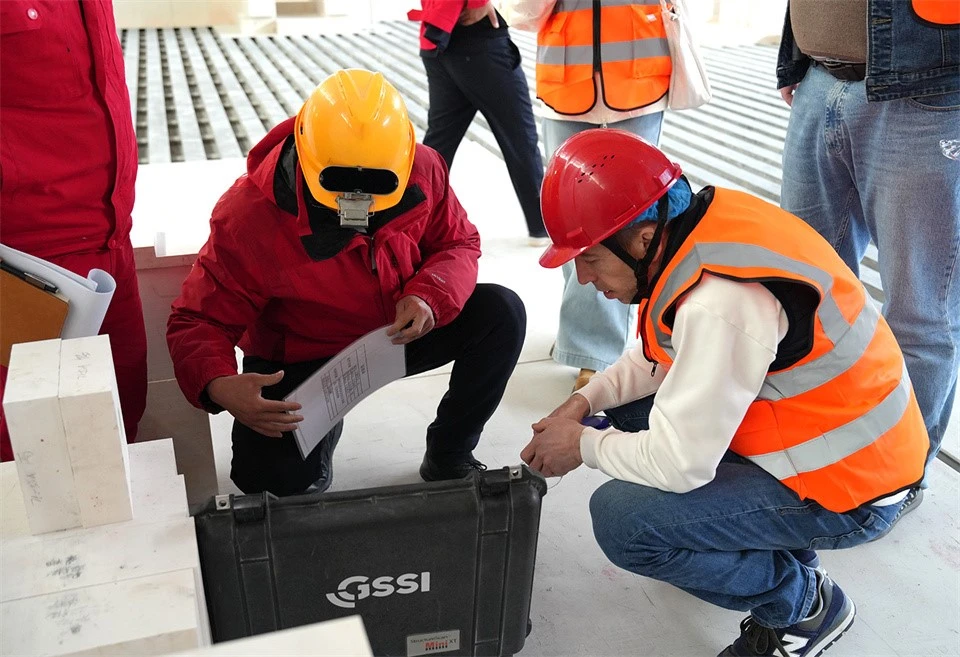
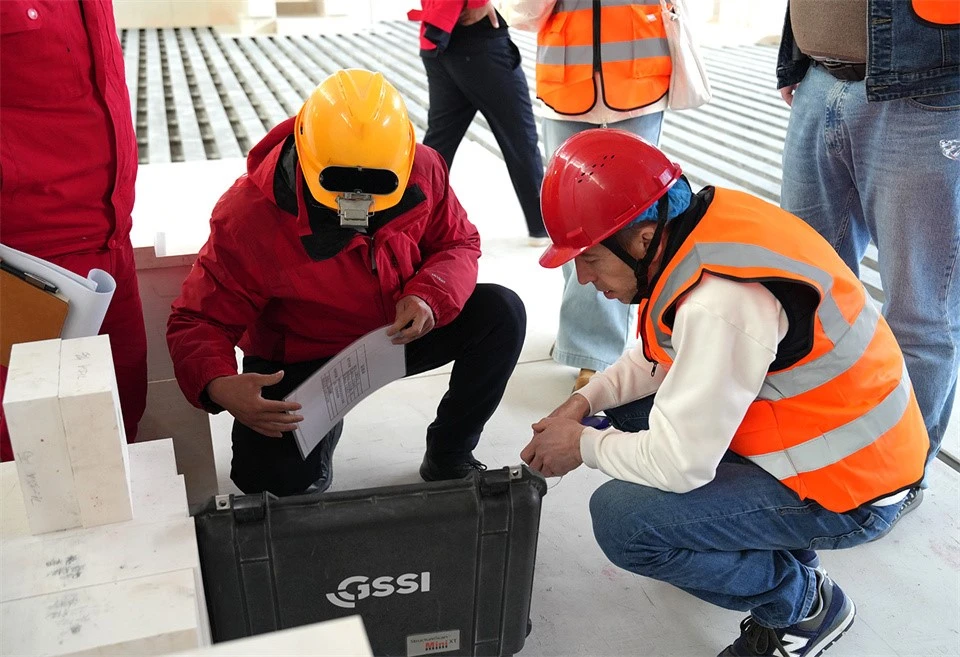
Dezhong supports this part of the quality chain with fused cast AZS production, chemical analysis, glass phase exudation testing, static and dynamic molten glass corrosion testing, bulk density and apparent porosity testing, GSSI radar internal flaw detection, machining control and factory pre-assembly.

4. Burner Port and Flame-Attack Areas Need Resistance to Erosion, Spalling and Creep
Burner port areas and flame-facing structures may suffer from flame erosion, spalling, cracking, deformation and creep. The best material choice depends on the fuel type, flame direction, furnace temperature, structure and expected campaign life.
For buyers, the practical question is: can the supplier explain the trade-off between corrosion resistance, thermal shock resistance, creep control and cost? A material that performs well in one furnace area may not be suitable for another if flame impact, mechanical stress or expansion behavior is different.
5. Throat, Working End, Forehearth and Feeder Channels Affect Glass Quality Directly
Throats, cover blocks, rising channels, working end sidewalls, partition walls, forehearth covers and feeder channels are closely connected with glass flow and final product quality. Problems in these areas may cause local corrosion, glass leakage, bubbles, stones, streaks or color contamination.
For clear, high-white or color-sensitive glass, material selection must be more careful. A refractory that introduces contamination or reacts with the glass can create quality problems even if it survives mechanically. For this reason, product selection should consider both furnace life and glass quality requirements.
Buyer focus: Ask whether the supplier understands the glass type, operating temperature, flow condition, bubbling or electric boosting condition, and product quality requirement before recommending a material.
6. Do Not Separate Material Selection from Machining and Pre-Assembly
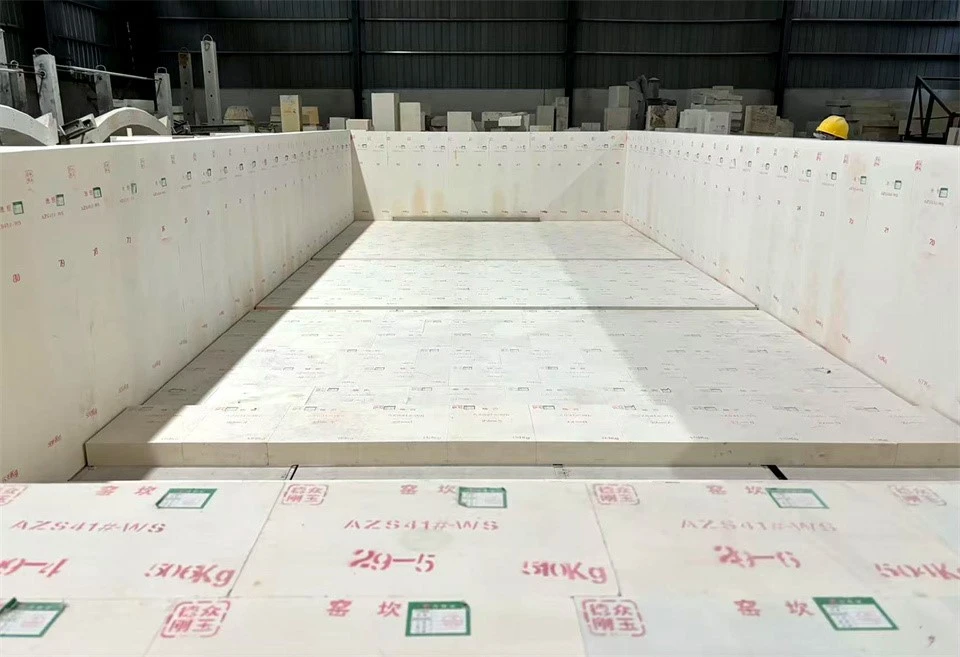
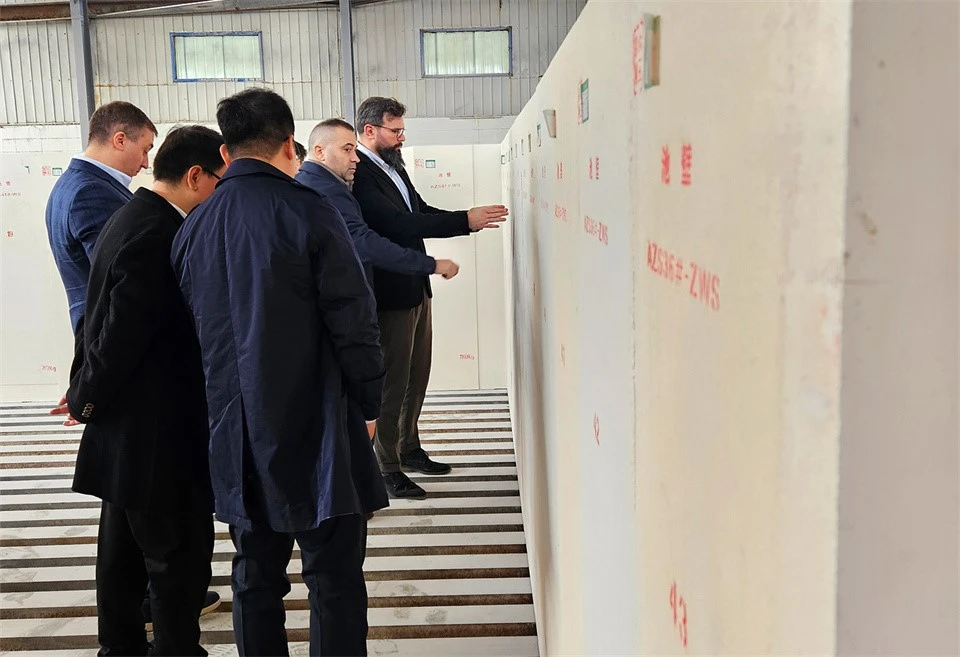
Many furnace problems are not caused by material chemistry alone. Dimensional tolerance, machining precision, block matching, brick joint width, numbering, installation sequence and pre-assembly quality can strongly affect service performance. This is especially important for fused cast blocks used in glass-contact areas.
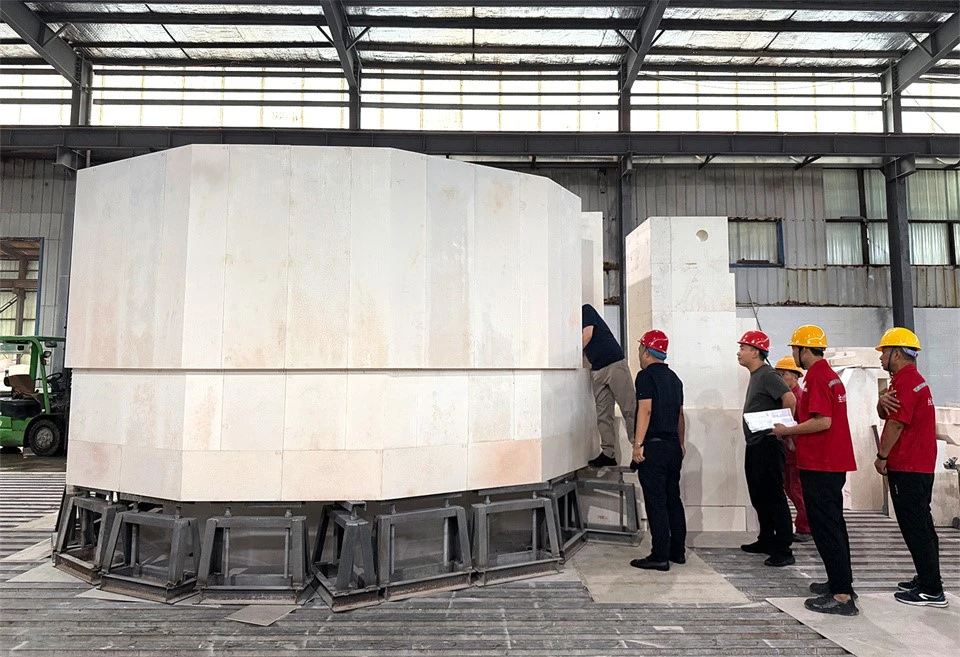
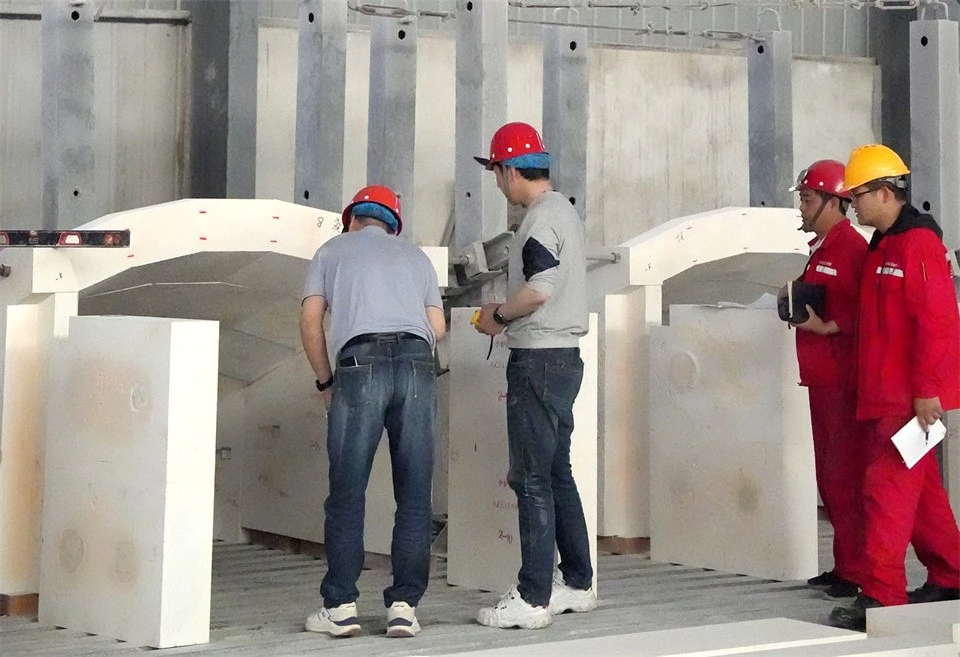
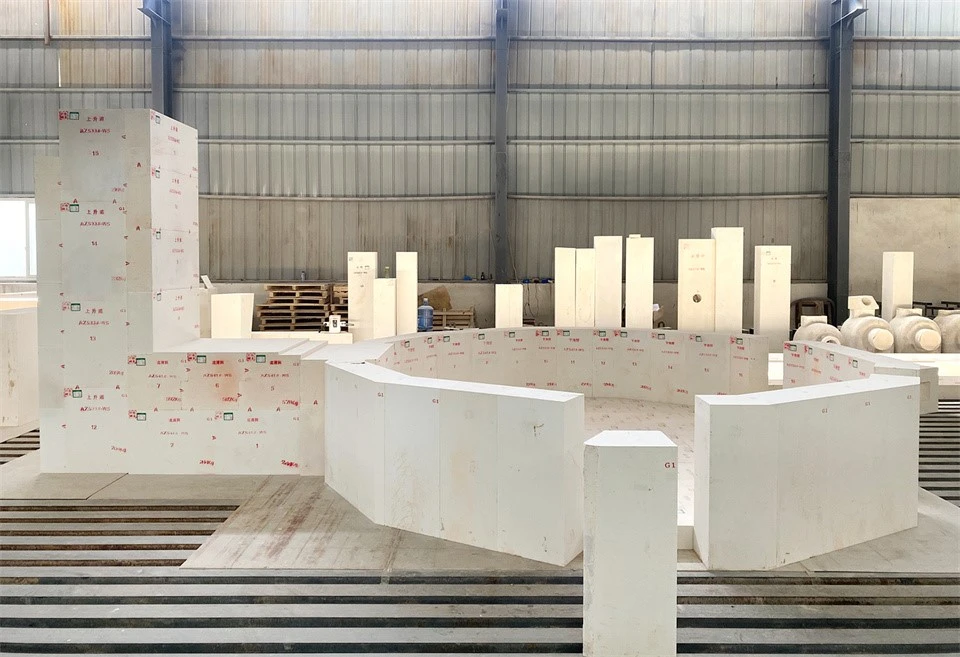
Factory pre-assembly helps verify block dimensions, joint control, installation sequence and furnace layout before shipment. For overseas projects, it also reduces installation uncertainty and helps the customer communicate with the furnace contractor more efficiently.
Dezhong has more than 60 machining equipment and two pre-assembly platforms of about 1,000 square meters each, supporting dimensional control and pre-shipment assembly verification for complex furnace block projects.
7. What a Refractory Supplier Should Prove Before Shipment
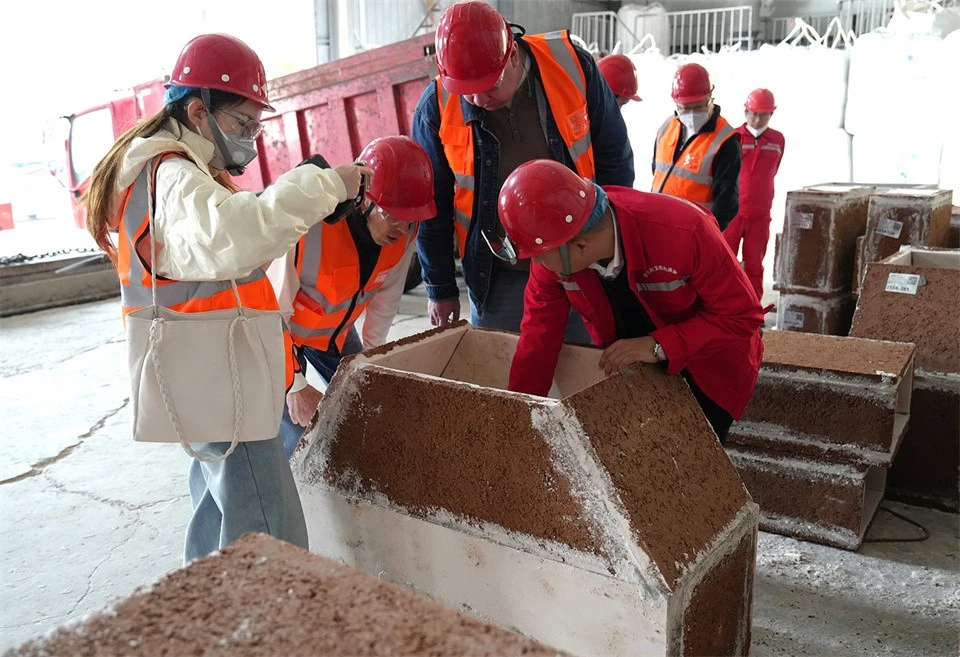
For critical furnace areas, buyers should not rely only on catalog data. A supplier should be able to show a full quality-control process from raw material, melting/casting, annealing, machining and inspection to pre-assembly and shipment.
Recommended checks include:
- Chemical composition analysis by XRF
- Bulk density and apparent porosity testing
- Glass phase exudation testing
- Static and dynamic molten glass corrosion testing
- Internal flaw detection for critical AZS blocks
- Machining dimension inspection
- Pre-assembly photos, block numbering and packing records
- Clear communication when customer standards differ from factory standards
8. Practical Questions Buyers Should Ask
Before ordering refractory materials for a daily glass furnace, buyers can ask:
1. Which furnace positions are most critical for our glass type and campaign target?
2. What material do you recommend for each position, and why?
3. Can you provide test reports for chemical composition, density, porosity and corrosion resistance?
4. How do you control glass phase exudation for fused cast AZS blocks?
5. Do you perform internal flaw detection for critical glass-contact blocks?
6. How do you control machining precision and brick joint accuracy?
7. Can you provide pre-assembly photos and block numbering before shipment?
8. How do you match inspected blocks to critical furnace positions?
Why Work with Dezhong
Zhengzhou Dezhong Refractory combines fused cast refractory production with practical quality-control capability for glass furnace applications. Our product range includes AZS33, AZS36, AZS41, low-silica/low-sodium AZS, alpha-beta alumina products and Z80 high-zirconia products. For key glass-contact areas, we focus not only on composition, but also on internal quality, corrosion behavior, machining precision and position matching.
With electric arc furnace production lines, in-house testing equipment, radar inspection experience, machining capability and pre-assembly platforms, Dezhong helps customers reduce hidden quality risks before products leave the factory.
Contact: zzdz@dzrefactory.com
Website: www.dzrefactory.com